Bush Hogging & Field Mowing in Clarksville
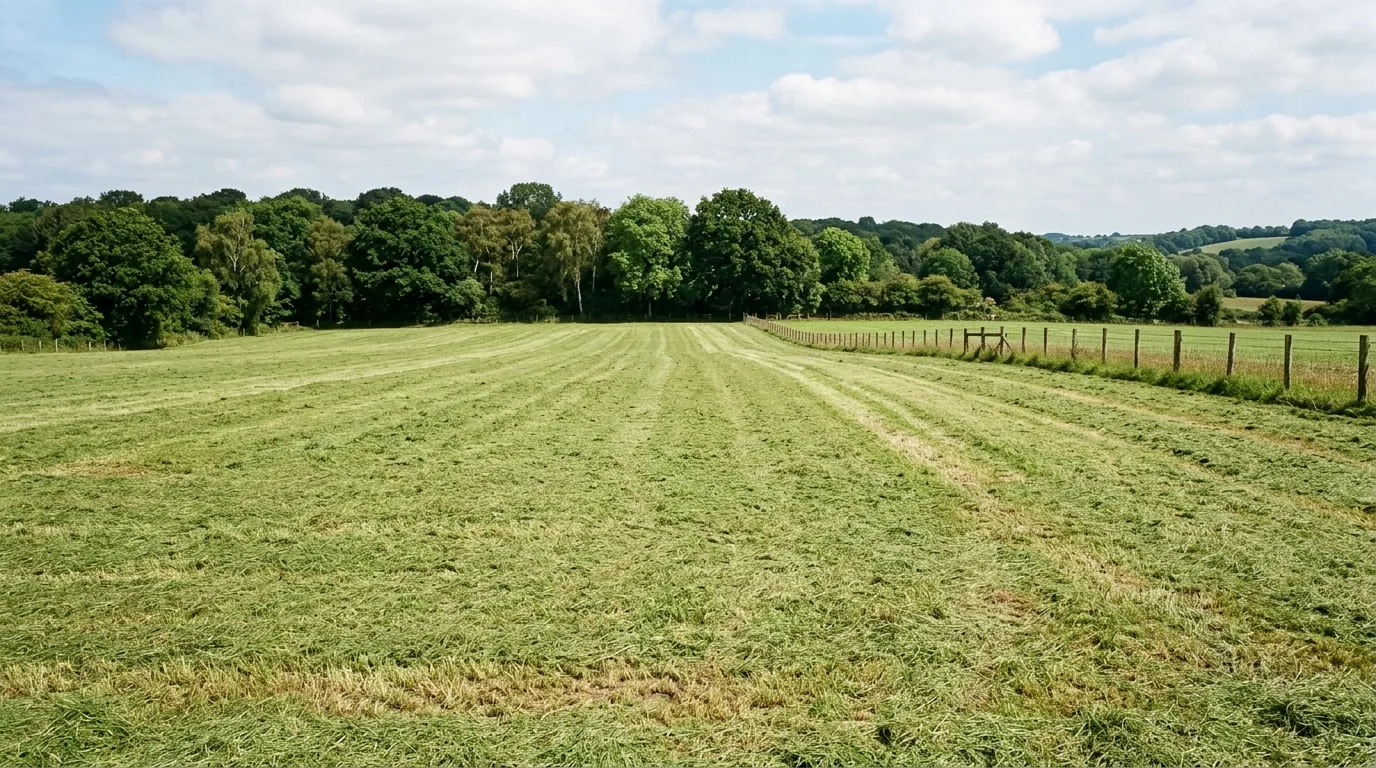
Rotary cutting of overgrown pasture, fields, trails and fence lines with a tractor-mounted cutter. For ground that has got away from you but is not yet dense enough to need forestry mulching.
We are still finalising the local company for this trade. Send your project and we will route it as soon as that is set.
The short version
Bush Hogging & Field Mowing, explained
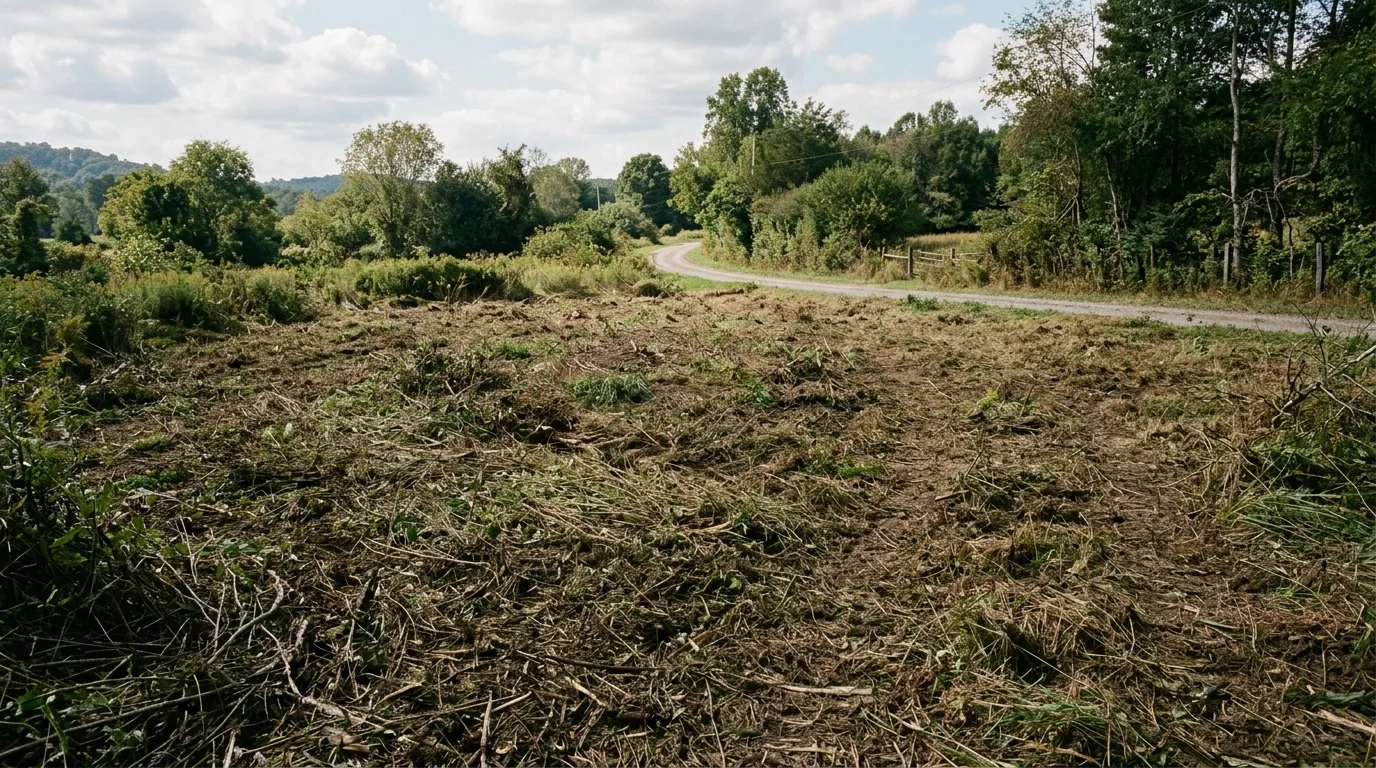
Bush hogging is maintenance cutting, not land clearing. A rotary cutter handles grass, weeds, briars and light saplings, typically up to a couple of inches in stem diameter depending on the machine. Beyond that, you are into forestry mulching or clearing, which uses different equipment and costs several times more per acre. Getting this boundary right is the difference between a straightforward quote and a contractor walking away on arrival.
The economics are strongly scale-driven. Mobilising a tractor and cutter costs the same whether the job is one acre or twenty, so per-acre rates fall sharply with size. If you have several areas to cut, doing them in one visit rather than separately is usually the largest single saving available to you.
Site walk and hazard check
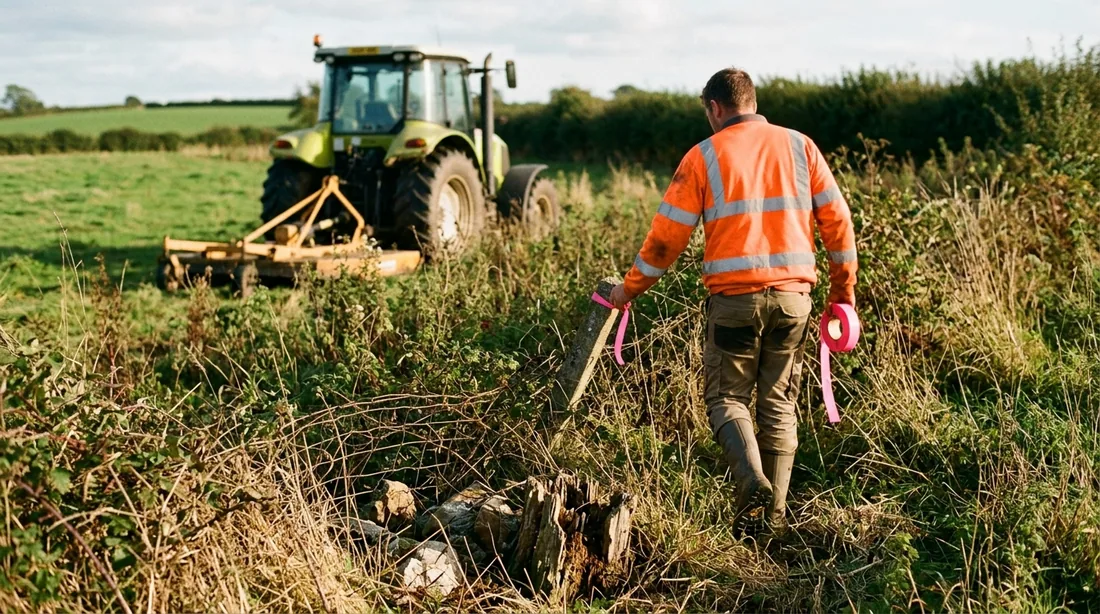
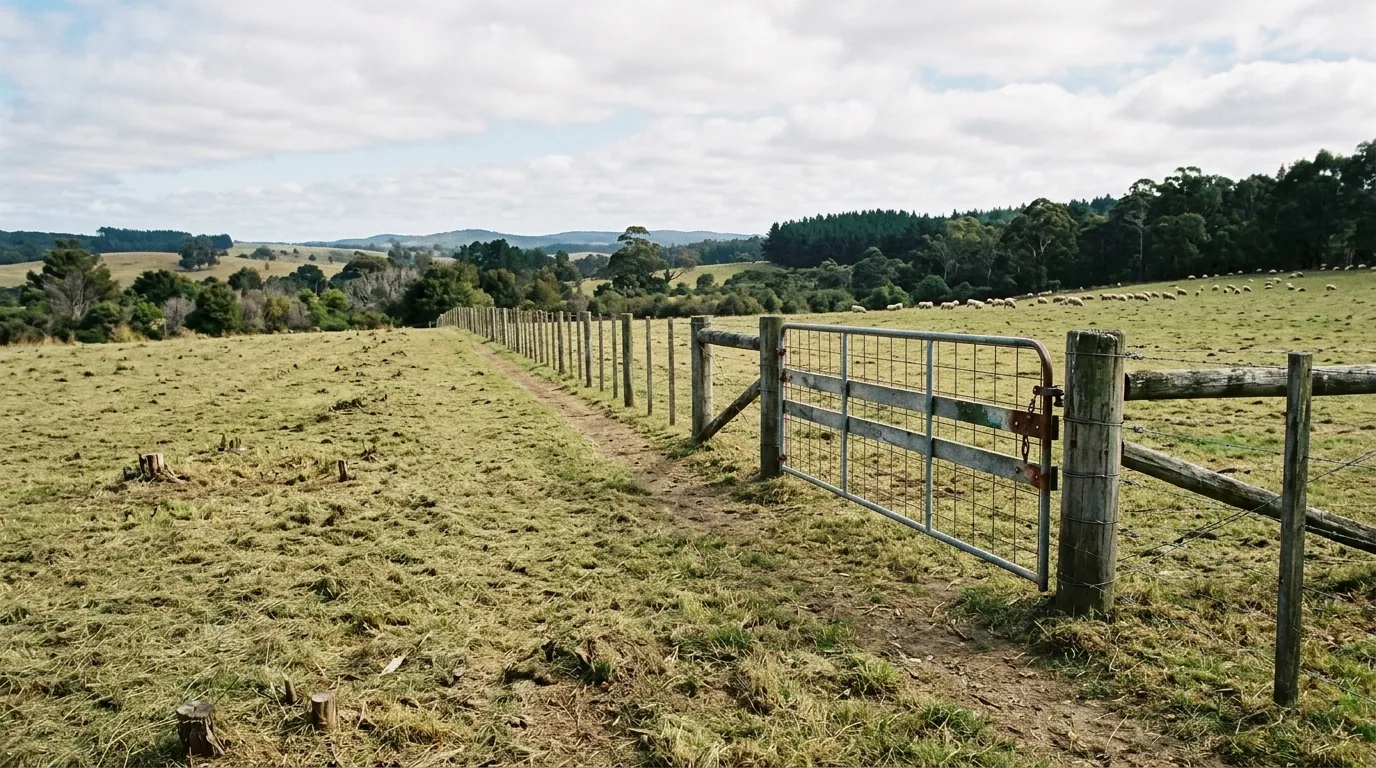
Identifying stumps, rocks, wire, posts, old fencing and debris. Hidden metal is the main risk to the machine and the main reason contractors surcharge or exclude areas.
Cutting height and pass planning
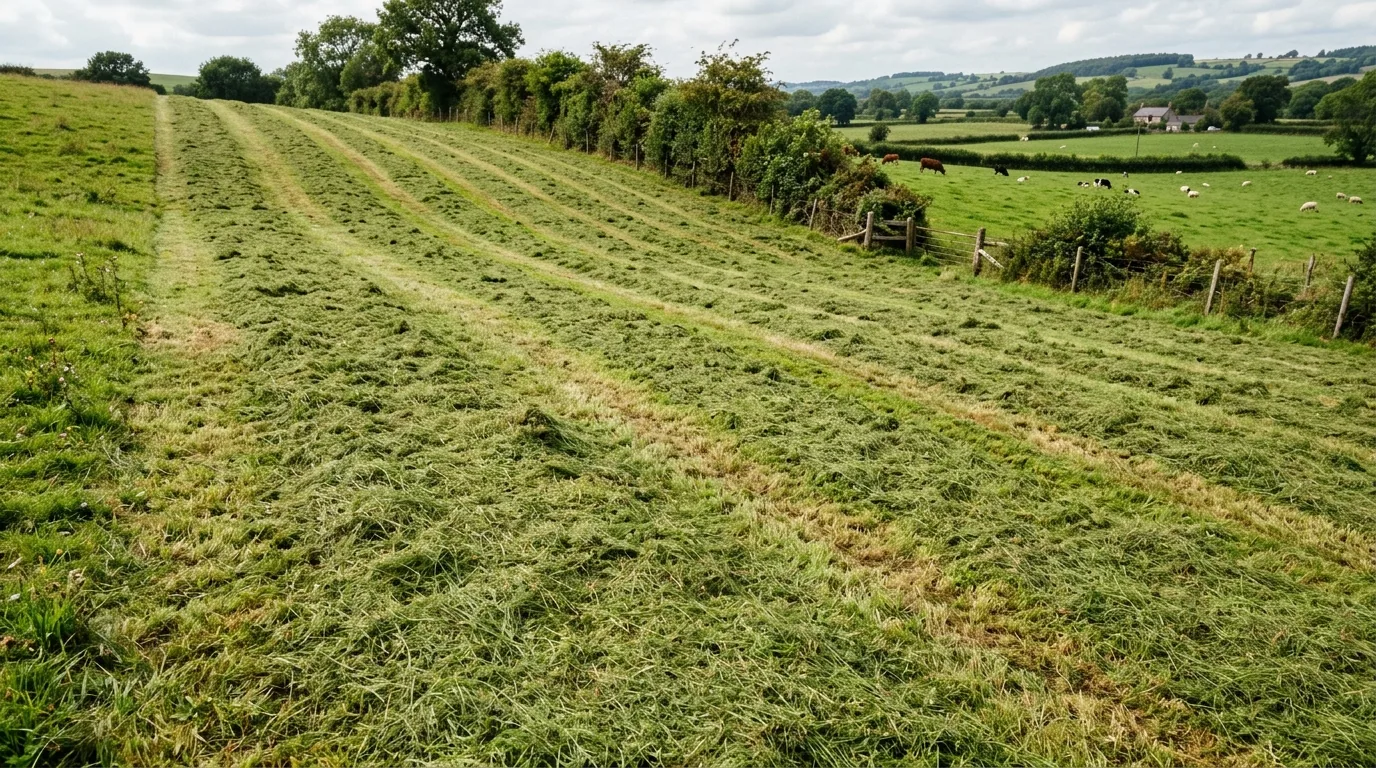
Deck height set for the growth and the intended result. Multi-year growth often needs two passes at descending heights rather than one aggressive cut.
Open field cutting
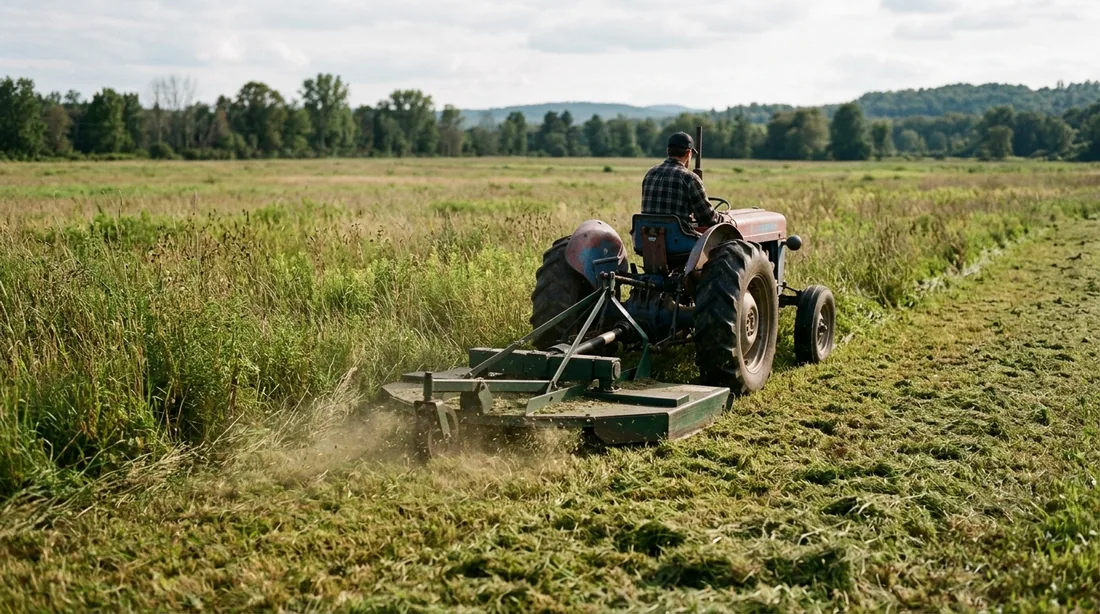
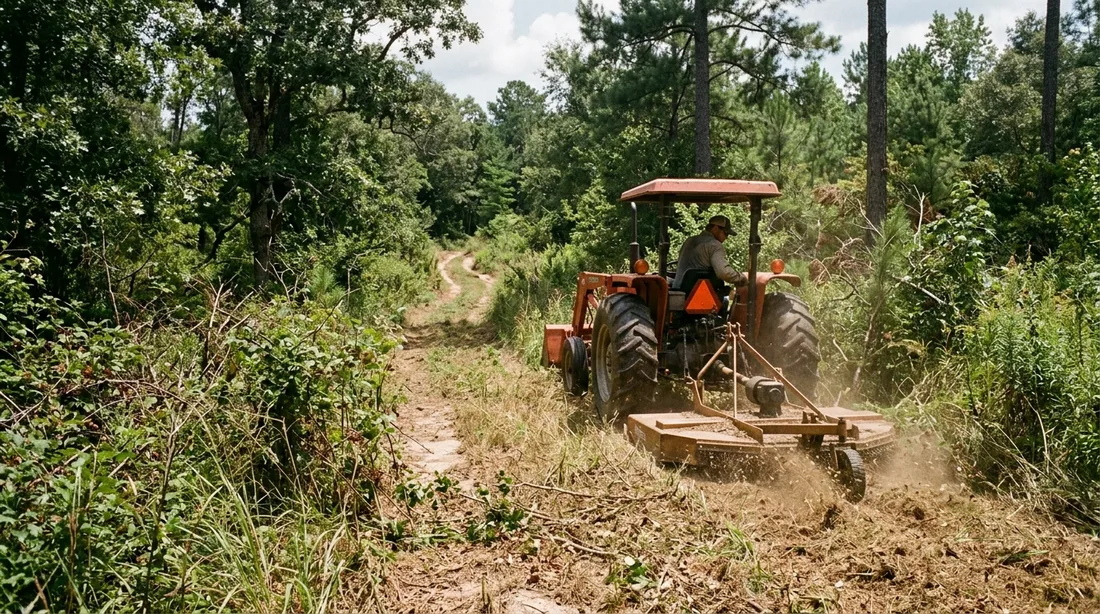
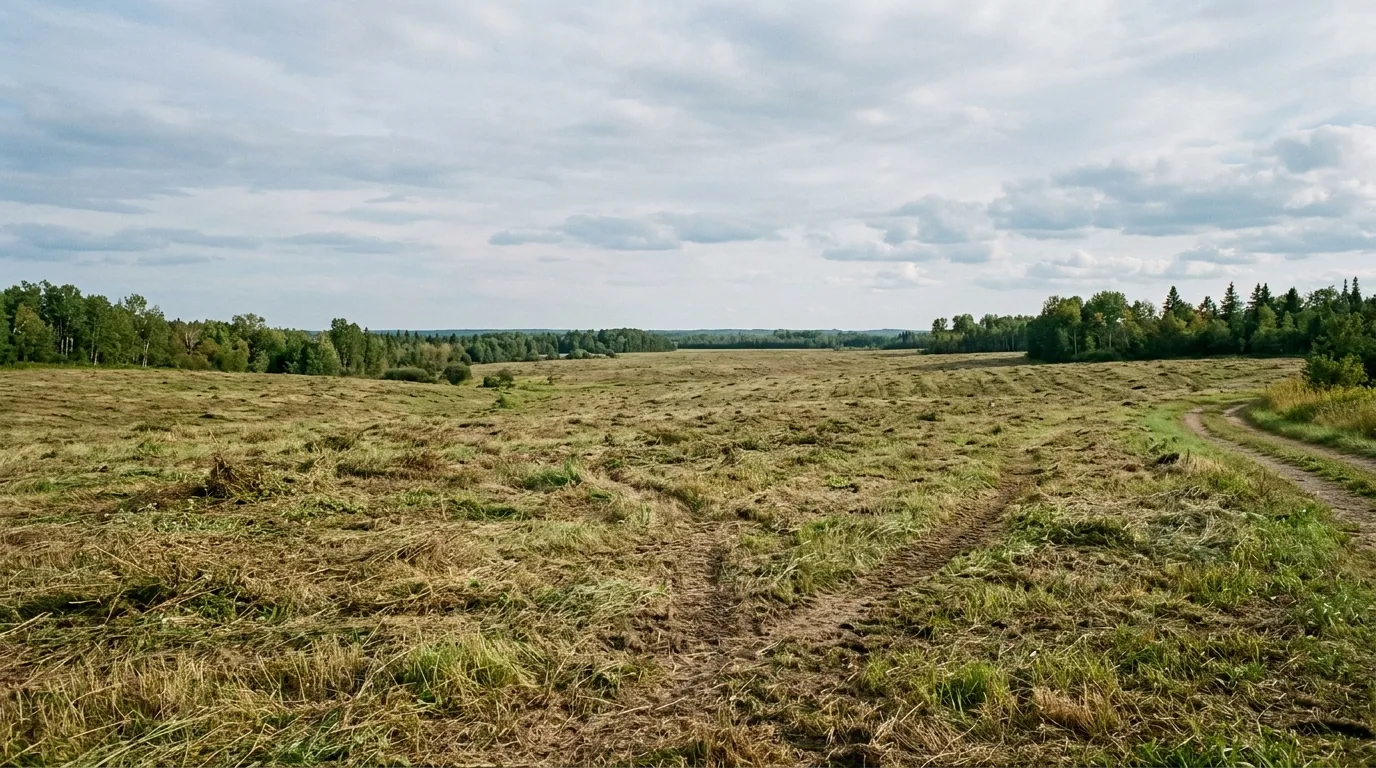
The bulk of the work, done at speed where ground is even and clear. This is the part that per-acre pricing genuinely reflects.
Trim and edge work
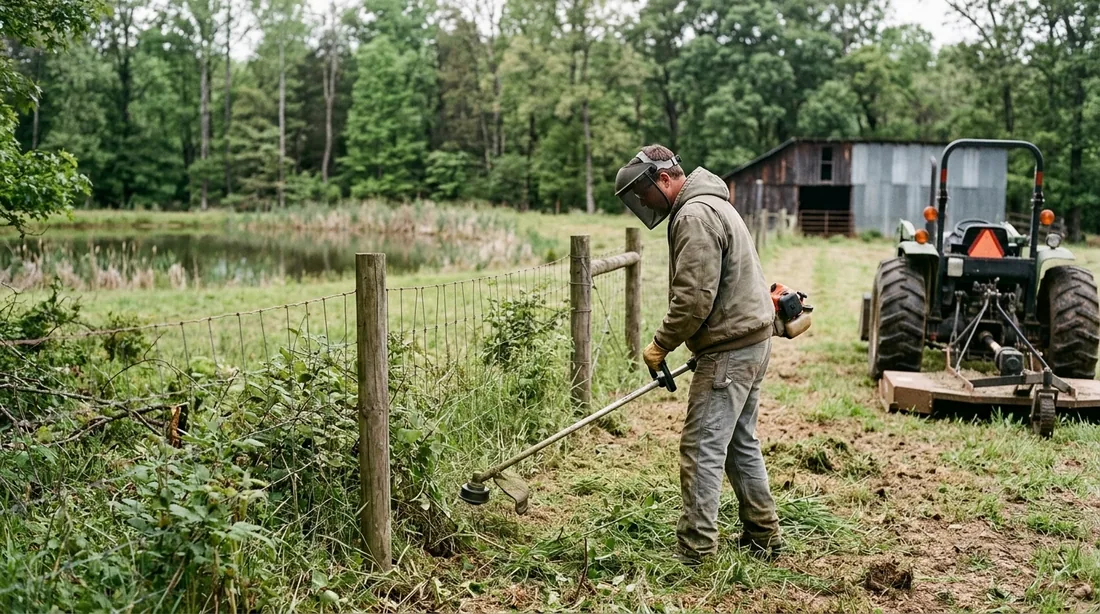
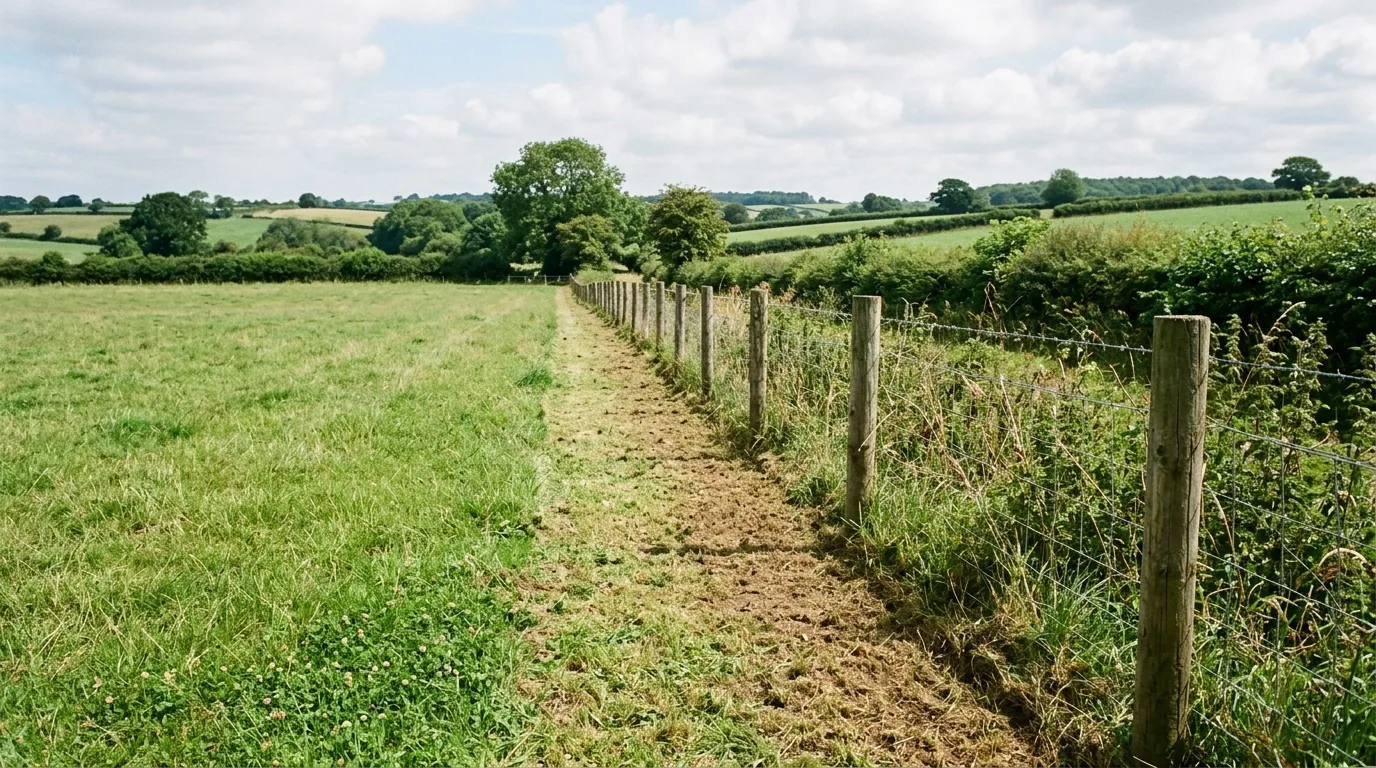
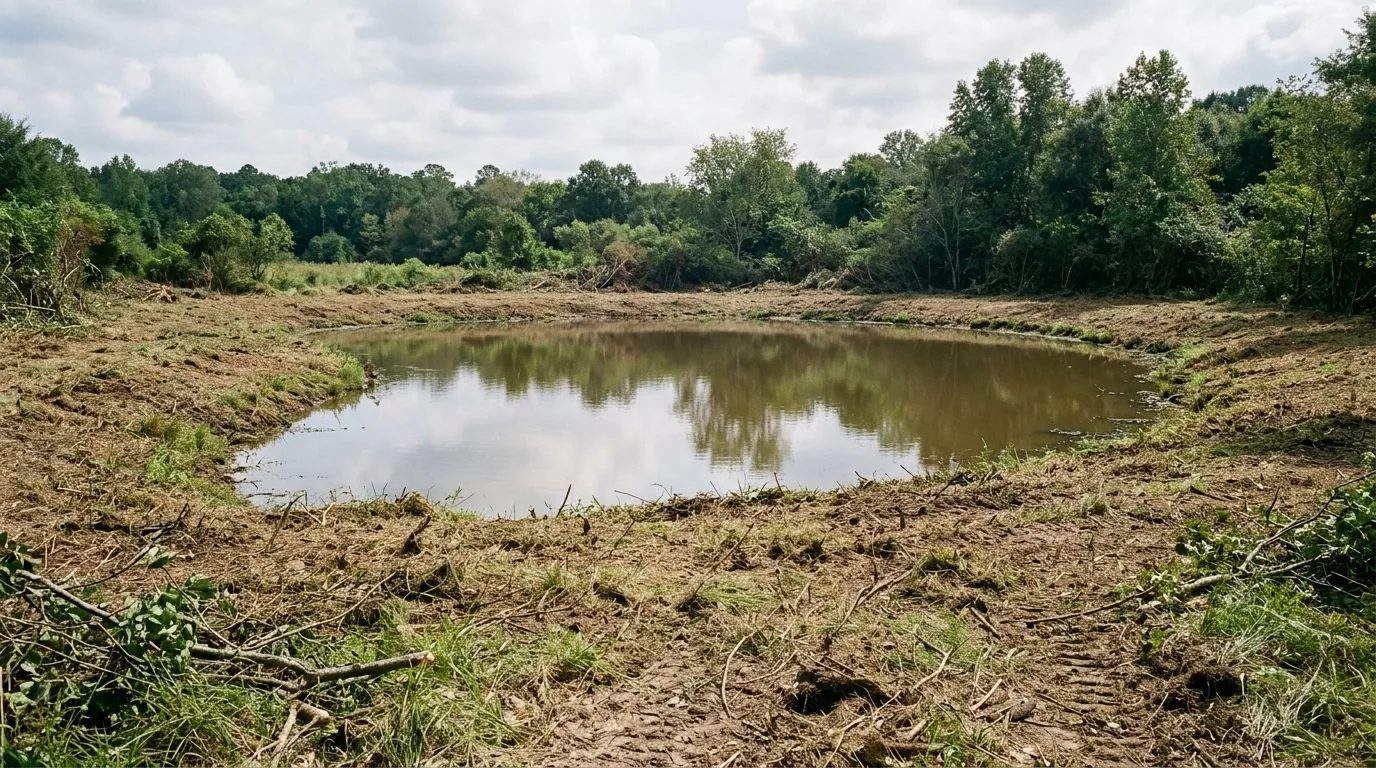
Around trees, ponds, fence lines, food plots and structures. Slow, hand-managed work that costs disproportionately more per acre than the open ground.
Trail and lane cutting
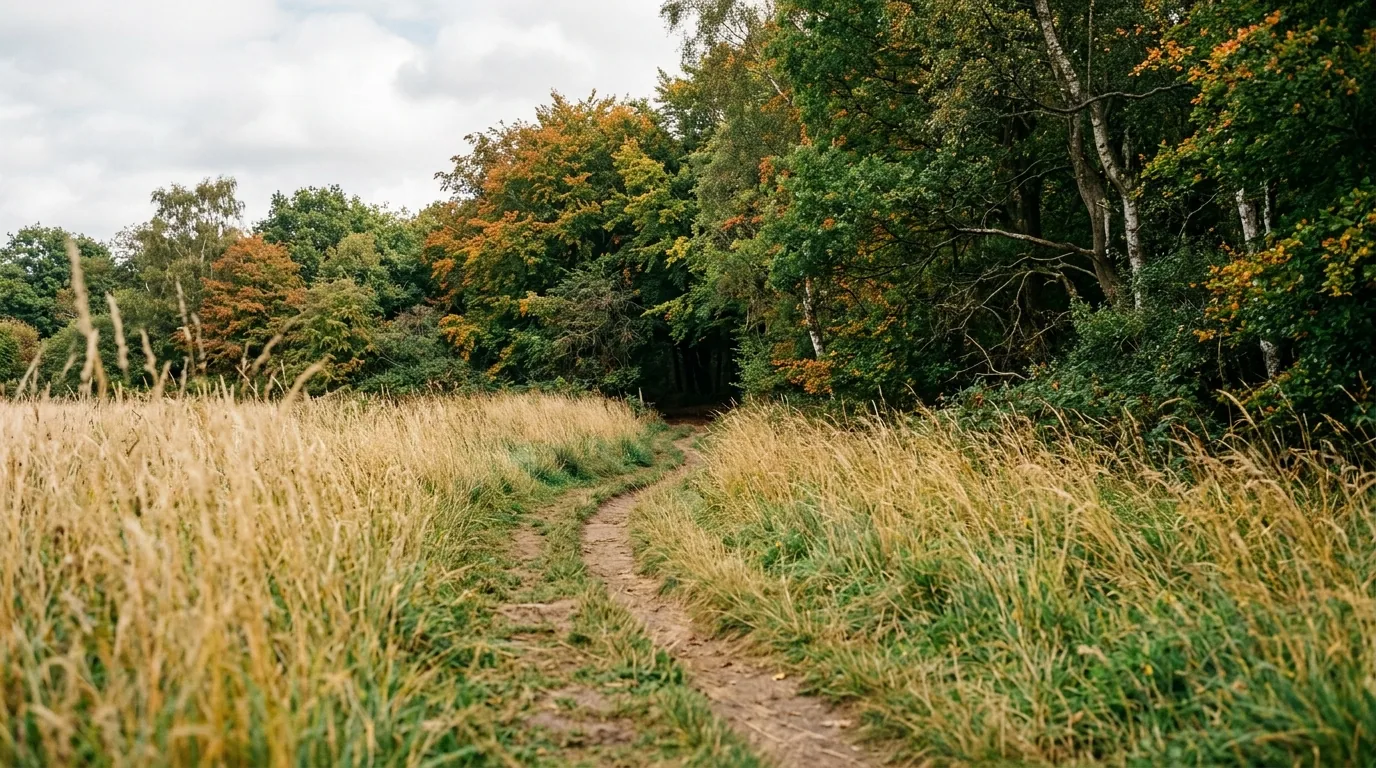
Narrow linear work along trails and access lanes, usually priced by hour or by the job rather than by area.
Debris handling
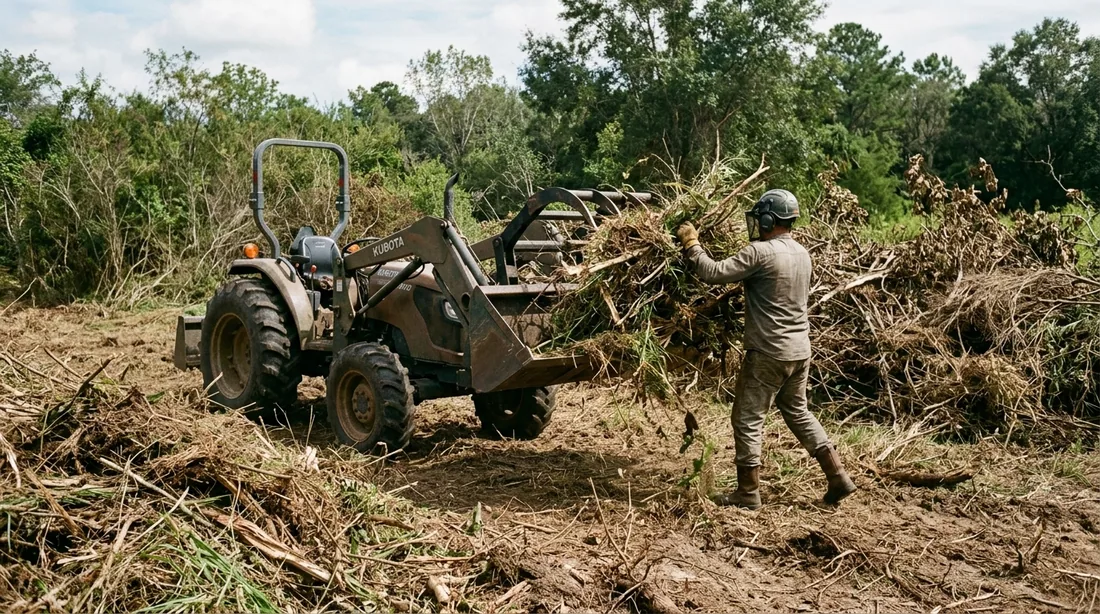
Cut material is normally left to break down in place. Removal, if wanted, is a separate service and a separate cost.
Budgeting
What it costs
The most consistently cited benchmark is around $100 per acre for relatively open pasture, within a published band of $60 to $250, dropping to $75 to $80 on larger tracts and as low as $18 to $25 per acre on very large competitively bid acreage. Hourly is the more common basis on small or unknown jobs, at $85 to $120 per hour for a tractor with a six-foot cutter. Sources for this trade lean on contractor forums and small operator sites rather than major cost databases, so treat these as directional.
| Scope | Typical range | Most common |
|---|---|---|
| Open pasture, routine annual cut | $60 – $120 | $90 |
| Multi-year growth with saplings | $100 – $250 | $150 |
| Small acreage or heavy trim work | $150 – $250 | $200 |
| Large tract, competitively bid | $25 – $80 | $50 |
Ranges compiled from GreenPal, Ricky's Bobcat Service, LawnStarter. Reviewed 2026-07-18.
Clarksville specifics
What is different about this work in Clarksville
Local climate and building stock change how this job is specified. These figures come from the Census Bureau and NOAA climate normals for Clarksville.
- At around 50.2 inches of precipitation a year, growth rates here determine whether one cut a season is enough or whether two are needed, and it is generally cheaper to cut twice on schedule than to let a season slip and face heavier growth next year.
- With roughly 50.2 inches of annual rainfall driving the growing season here, timing the cut before weeds set seed does more for the following year's condition than cutting later and lower does.
Scoping
Do you actually need this done?
The most expensive mistake is paying for the wrong scope. Here is how the usual symptoms sort out.
Process
How the job runs
Walk the ground
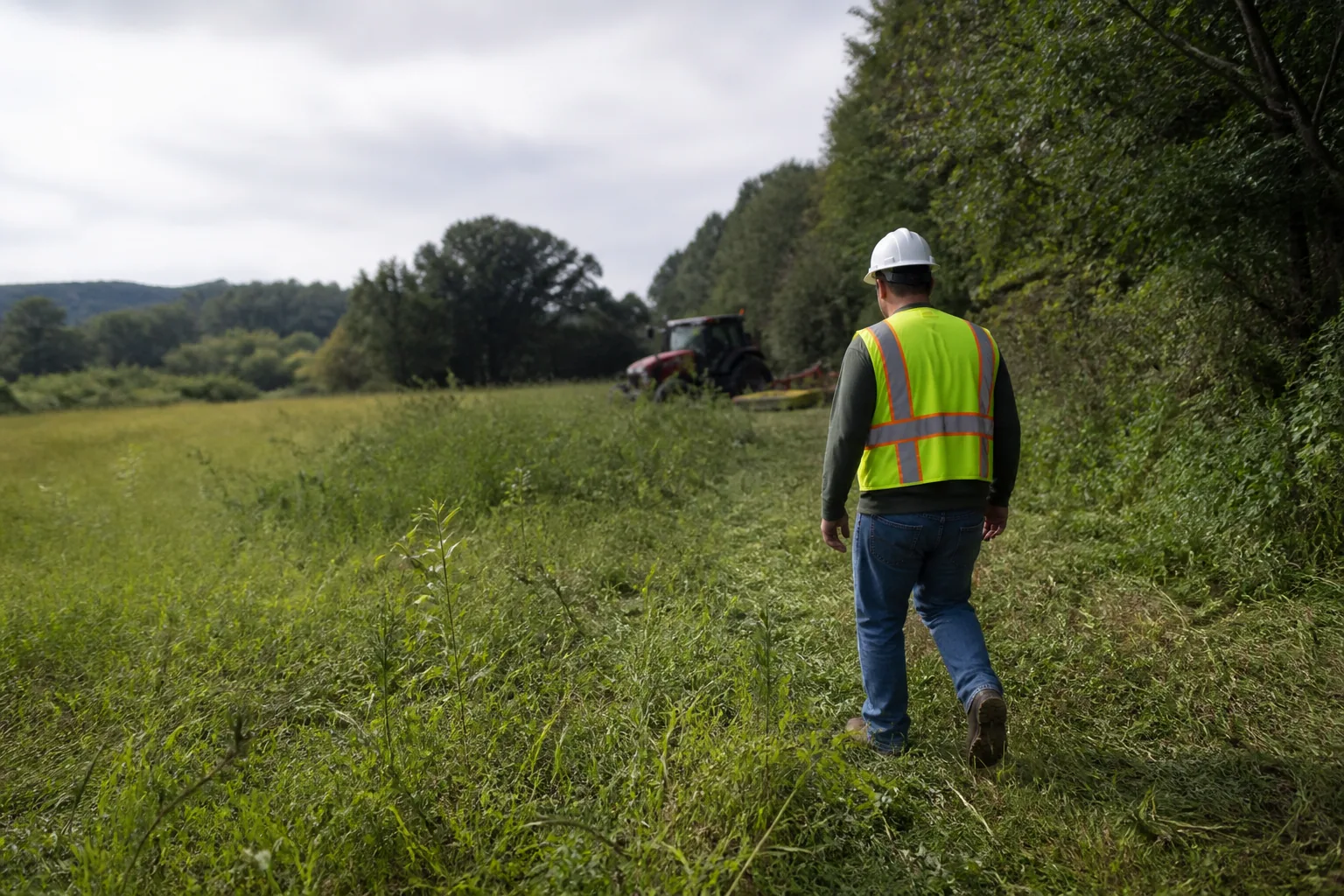
The site is walked to identify hazards, assess growth, and agree what gets cut and what does not. Anything you know is buried out there should be flagged now.
Mark hazards
Stumps, wellheads, septic components, buried lines, survey markers and anything else to avoid should be physically marked, not merely described.
Set cutting height
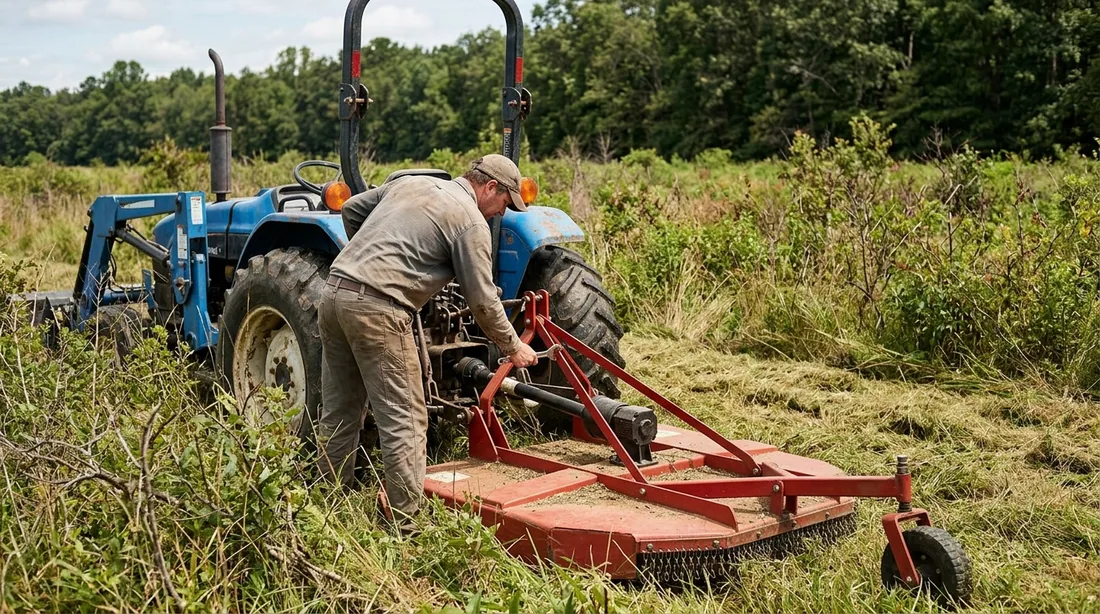
Deck height chosen for the growth and the goal. Cutting too low on rough ground scalps high spots and risks the machine; too high leaves stems that regrow quickly.
Cut in planned passes
Open ground taken at speed, with heavy growth handled in successive passes at descending heights rather than forced in one.
Trim and finish
Edges, around obstacles, and fence lines done last. Cut material is normally left in place to break down unless removal was agreed separately.
Common questions
Questions people ask
How much does bush hogging cost per acre?
The most consistently cited benchmark is around $100 per acre for relatively open pasture, within a published range of $60 to $250. Larger tracts commonly come down to $75 to $80, and very large competitively bid acreage can reach $18 to $25. Hourly pricing at $85 to $120 for a tractor with a six-foot cutter is more common on small or unknown jobs. Published sourcing for this trade is thinner than for most, so treat these as directional.
What is the difference between bush hogging and forestry mulching?
Bush hogging is rotary cutting of grass, weeds, briars and light saplings, typically to a couple of inches in stem diameter, leaving cut material lying to break down. Forestry mulching uses a much heavier machine to grind standing woody growth including substantial trees into a mulch mat, handles far larger stems, and costs several times more per acre. The stem diameter on your ground decides which one you need.
How often should pasture be bush hogged?
For maintenance, typically once or twice a growing season depending on rainfall and how the ground is used, timed to knock back weeds before they set seed. The economic argument for keeping to a schedule is strong: annual cutting stays firmly in bush hogging territory, whereas letting ground go for several years allows saplings through and pushes the job into much more expensive clearing work.
Will they remove the cut material?
Normally no. Standard practice is to leave cut material lying to break down and return nutrients to the ground, and per-acre pricing assumes this. Removal is a separate service with separate cost, involving raking, collection and haulage, and is generally only worth it where the cut material would smother regrowth or where the area needs to look tidy.
What happens if the cutter hits something hidden?
This is worth agreeing before work starts rather than after. Hidden wire, stumps, posts and dumped metal can damage blades, spindles and gearboxes, and repairs are not trivial. Most contractors either exclude liability for unmarked hazards or apply a surcharge for ground of unknown history. Walking the site and marking what you know about protects both sides.
Next step
Get a real number for your project
Ranges only go so far. Someone has to look at the actual job.
What this site is
Clarksville Bush Hogging is a referral site, not a contractor. We do not hold a license, own a truck, or send a crew. We research bush hogging pricing and practice, publish what we find, and hand your request to a vetted local company in Clarksville.
That company quotes, schedules, and stands behind its own work, and it contracts with you directly. We do not mark up the price, and you pay us nothing.